

Myopia Management in North Andover MA
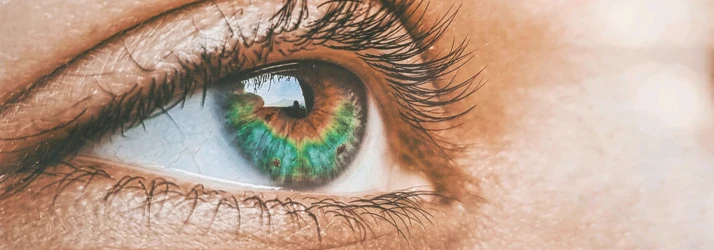
Myopia, often called nearsightedness, is very common in children, and for many of them a single prescription is not enough to stop it from progressing. At Family Eye Care in North Andover MA, myopia management goes beyond correcting blurry distant vision. Dr. Patti A. Richard and Dr. Alyssa M. Jann focus on slowing that progression, helping to limit the need for stronger prescriptions as treatment continues.
What Are Myopia and Myopia Management, and Why Do They Matter?
Myopia is diagnosed when the eye grows slightly too long from front to back. This makes distant objects appear blurry while close-up vision stays clear. Corrective glasses and contact lenses help, but they do not address the underlying cause, which can continue to progress as the child grows.
Myopia management focuses almost exclusively on children and teenagers, because that is when the eye is still growing and myopia progresses most rapidly. These treatments aim to slow the rate of eye elongation. Higher levels of myopia in adulthood increase the risk of more serious eye conditions such as glaucoma, cataracts, and myopic macular degeneration.
Slowing myopic progression during childhood helps reduce its severity in adulthood, which is why early detection and management are so valuable.
Signs Myopia May Be Developing in Your Child
Myopia develops gradually, and children often do not realize their vision is changing, so they rarely mention it. That leaves parents to watch for the signs. Frequent squinting is the most common clue, but a few other changes in behavior can also point to myopia:
- Sitting too close to the TV or holding devices near their face – Usually one of the first habits parents notice
- Difficulty seeing the classroom board at school – Often noticed by teachers
- Frequent eye rubbing and complaints of headaches – Rubbing is an attempt to clear blurry vision, while the headaches come from prolonged muscle tension caused by eye strain
- A new prescription every year – A consistent, ongoing pattern that points to rapid progression
Who Is a Good Candidate?
Children showing early signs of actively progressing myopia are the best candidates, especially when successive exams show a steady increase in prescription strength. Most treatment protocols are designed for children ages 6 to 14. Myopia tends to stabilize in the late teens, though the timeline differs from child to child.
Apart from age, overall eye health and the family’s ability to keep up with the chosen treatment, whether that means nightly eye drops, wearing contact lenses consistently, or prescription glasses, also help decide which option suits your child best.
Treatment Options Used in Myopia Management
Beyond correcting blurry distance vision, modern myopia management actively slows the growth of a child’s eye. The right treatment plan depends on your child’s age, ocular health, and lifestyle:
- Ortho-K (Orthokeratology) – Custom-made, rigid gas-permeable lenses worn overnight that gently reshape the cornea while your child sleeps. They provide clear vision throughout the day without glasses or contact lenses, and they can also slow eye elongation.
- Low-dose atropine eye drops – A pharmaceutical approach using highly diluted, once-nightly drops that help control myopia and meaningfully reduce its progression.
- Myopia control soft contact lenses – Child-friendly, multifocal or dual-focus, daily disposable contact lenses worn during the day. They are specially designed to slow myopia progression.
- Specialized eyeglass lenses – These look like regular glasses but use a specific optical pattern, known as peripheral defocus, that reduces the visual signals driving eye elongation.
- Lifestyle adjustments – More time outdoors and less time on screens are simple habits that make a difference, and they are usually recommended alongside one of the treatments above.
What to Expect During a Myopia Management Appointment
Your child’s evaluation starts with a comprehensive eye exam. A refraction test to measure the current eyeglass prescription and an overall ocular health evaluation are standard. We also take additional measurements, such as corneal curvature and axial (eye) length, to establish a baseline for future visits.
Dr. Patti A. Richard and Dr. Alyssa M. Jann or FULL NAME1* will ask about any family history of myopia, your child’s screen time habits, and how much time they spend outdoors. These factors help determine the best treatment approach.
Myopia management is not a one-time treatment because the goal is to influence how your child’s eye develops. Care continues over months and years, with regular monitoring appointments to track progress and make any adjustments needed along the way.
Payment and Insurance
Family Eye Care accepts all common forms of payment, including cash and cards. We also accept VSP Vision Insurance along with a range of other vision insurance plans, and our team is happy to answer any questions you have about payment options.
Schedule Your Child’s Myopia Management Evaluation Today!
Have you noticed your child squinting, sitting very close to screens, or needing a new prescription each year? Contact Family Eye Care to schedule an ocular evaluation, and call or visit our office today.
Contact Information
Family Eye Care
555 Turnpike St STE 56
Phone: (978) 681-1111